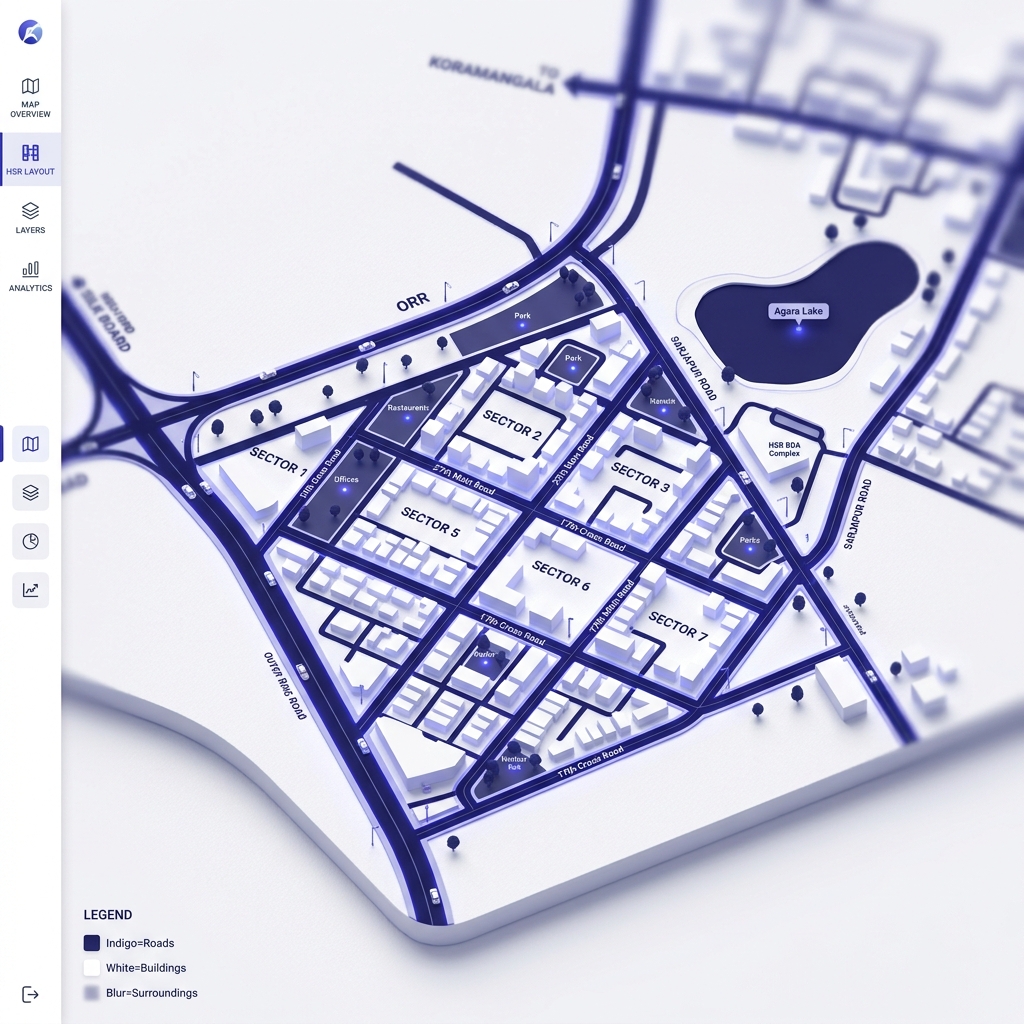
For field service directors, supply chain managers, and compliance auditors, the "phantom visit" is a silent margin killer. A field technician claims an HVAC unit was serviced, a delivery driver reports a parcel dropped at the reception desk, or a health & safety officer files an on-site audit report—all while sitting in a parked car two miles away or relaxing at home.
Traditional Proof of Delivery (PoD) and inspection logging—whether reliant on paper manifests, timestamped photos, or standard QR scans—fail because they lack tamper-proof physical location verification.
Here is why conventional field verification falls short, the real cost of fraudulent audits, and how QRFlow GPS Geofencing establishes an unbreakable chain of custody for field operations.
The Mechanics of a "Fake Visit": Why Standard Audits Leak Revenue
Field teams face aggressive targets, traffic bottlenecks, and tight deadlines. Without hard technological guardrails, corner-cutting turns systematic:
1. Pre-Filled Checklists & Remote Sign-offs
Auditors often save static links to audit forms or capture photos of physical equipment tags on earlier dates. They fill out mandatory safety questionnaires or compliance checklists hours before or after their supposed visit.
2. The "Drive-by" Delivery
Under pressure from dispatch schedules, couriers mark parcels as "Delivered / Handed to Customer" blocks away from the actual address, leading to costly dispute resolution tickets, chargebacks, and lost merchandise.
3. Reused Timestamp Photos
In facilities management, contractors sometimes submit recycled photos of clean restrooms, serviced generators, or restocked shelves from previous visits, pocketing routine maintenance billing without performing the actual work.
The Compounding Impact on Operations & Liability
Falsified field records aren't just an internal disciplinary matter—they represent serious legal, regulatory, and financial exposures:
- Unmitigated Regulatory Fines: If a fire suppression system, telecom tower, or elevator fails an unannounced municipal audit because a third-party inspector logged a fake routine check, the facility owner faces heavy fines or shutdown orders.
- Customer Churn & Chargeback Disputes: In B2B wholesale and e-commerce delivery, "Item Not Received" (INR) claims skyrocket when delivery drivers lack indisputable geolocation proof.
- Ghost Vendor Billing: Enterprises pay millions annually to field maintenance agencies for preventative services that were never actually executed on-site.
Comparison: Field Verification Technologies
| Verification Method | Vulnerability / Operational Burden | Anti-Fraud Level |
|---|---|---|
| Paper Sign-off Sheets | Easily forged, illegible handwriting, zero real-time visibility. | Very Low |
| Static Asset QR Codes | Photos of stickers can be stored, forwarded, or scanned remotely. | Low |
| Dedicated GPS Tracking Apps | Battery drain, constant union/worker privacy friction, expensive fleet license fees. | Medium |
| QRFlow Geofenced Smart QR | Zero app installs, millisecond browser GPS lock, exact radius enforcement, instant conditional access. | Maximum |
The Solution: Location-Locked Audits with QRFlow Geofencing
Rather than monitoring employees’ continuous personal movements all day with invasive tracking apps, QRFlow GeoFencing validates location exclusively at the critical moment of action—when the audit form opens, or when delivery completion is confirmed.
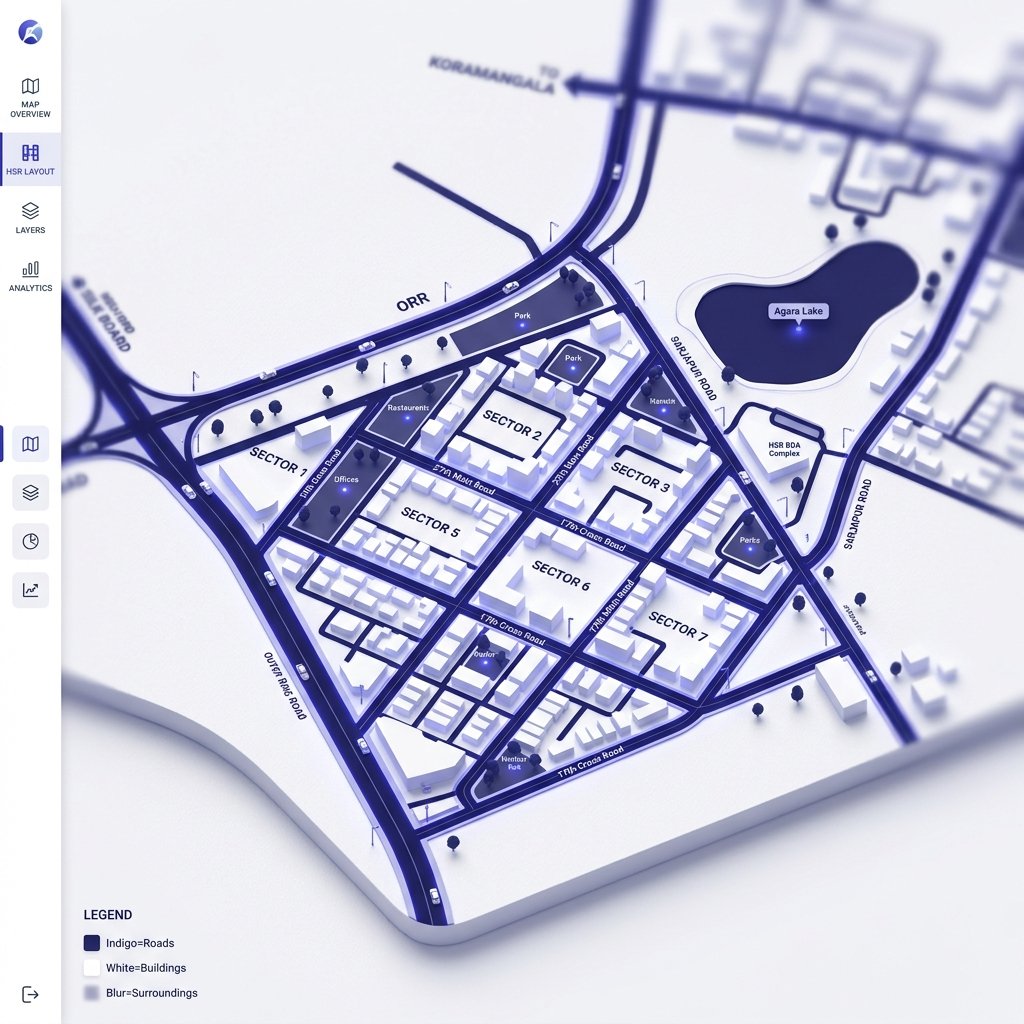
How Geofenced Proof of Delivery & Auditing Operates:
- Deploy Asset / Site Geofences: Assign precise GPS coordinates and boundary radii (e.g., 25m for a retail loading dock, 75m for an industrial compound) inside your QRFlow dashboard.
- Scan on Arrival: The technician, auditor, or courier scans the physical QR sticker affixed to the machine, loading bay, or customer doorstep using any standard phone camera.
- Real-Time Coordinate Verification: The mobile browser securely fetches live GPS sensor data. QRFlow compares these coordinates against the asset’s designated target zone in milliseconds.
- Conditional Workflow Execution:
- Inside Boundary: The inspection checklist, signature capture pad, or PoD form unlocks instantly.
- Outside Boundary: Access is denied with a geo-violation alert: "Access Denied: You must be physically present at the asset location to submit this report."
High-Value Use Cases Across Industries
1. High-Value Logistics & Last-Mile Delivery
Prevent courier drop-and-run fraud. Delivery confirmation forms only accept recipient signatures or drop-off confirmation photos when the courier's phone is within 30 meters of the delivery destination.
2. Critical Asset & Equipment Maintenance
HVAC, solar arrays, generator rooms, and elevator shafts: Affix dynamic QR codes to physical units. Technicians must physically climb up to the equipment to trigger the maintenance log, ending "desk-auditing" forever.
3. Retail Merchandising & FMCG Shelf Audits
Ensure brand merchandisers and mystery shoppers physically visit franchised stores before logging stock levels, shelf-share photos, and promotional compliance.
4. Municipal & Security Guard Patrol Verification
Replace outdated wand-reader patrol systems. Security personnel verify checkpoint rounds in real time with tamper-evident location timestamps directly in the cloud.
Key Operational Advantages of QRFlow
Zero Native App Requirement
No need to distribute rugged hand-held scanners or mandate heavy background-tracking apps on third-party contractors' personal phones. QRFlow operates seamlessly in mobile Safari, Chrome, and Firefox.
Privacy-Respecting Compliance
Unlike always-on 24/7 fleet tracking apps that ignite worker backlash and union pushback, QRFlow requests location permissions only during the active scan event, ensuring complete compliance with global privacy regulations (GDPR, CCPA).
Multi-Branch & Route Intelligence
Dynamic routing enables a single central QR code template to intelligently route field inspectors to the relevant branch checklist based on which client facility perimeter they currently stand in.
Guarantee 100% Genuine Field Visits & Audits
Eliminate phantom visits, reduce dispute losses, and build an airtight field audit trail in minutes.
Discover QRFlow Geofencing Solutions →Frequently Asked Questions (FAQ)
Can field agents bypass the geofence using fake GPS spoofing apps?
QRFlow validates HTML5 browser geolocation APIs, checking altitude, coordinate precision radius, and network hardware timestamps. Furthermore, suspicious coordinate anomalies and repeat failure attempts are logged in the analytics dashboard for administrative review.
Can contractors without dedicated corporate logins use the system?
Yes. Because QRFlow operates at the URL and browser level, you can securely route authorized third-party drivers or independent audit contractors to external forms (Google Forms, Airtable, Typeform, or custom internal APIs) only when on-site.
How small can the geofence perimeter be?
Administrators can configure pinpoint geofences with a radius as tight as 15 to 30 meters for specific doorway and loading bay validation, up to several kilometers for expansive construction sites or agricultural plots.